Energy & Utilities
Energy & Utilities

Manage expansion, investments, and supply security simultaneously.

Grids, generation, storage, and new energy infrastructures are being expanded in parallel, while existing systems must continue to operate. High investment needs meet limited approval, engineering, and implementation capacities.

The Starting Point

When expansion goals meet real implementation capacity.

The transformation of the energy system is increasingly an implementation task. Grids must be expanded and digitized, new generation and storage facilities integrated, and existing infrastructure operated and renewed in parallel. Heat, hydrogen, electromobility, and increasing connection demands raise the number of interdependent projects. This not only increases investment volume. Approvals, engineering, construction capacity, and specialized supply chains increasingly determine how much of the planned portfolio can actually be implemented.

What drives the industry
Expansion becomes an industrial implementation task.
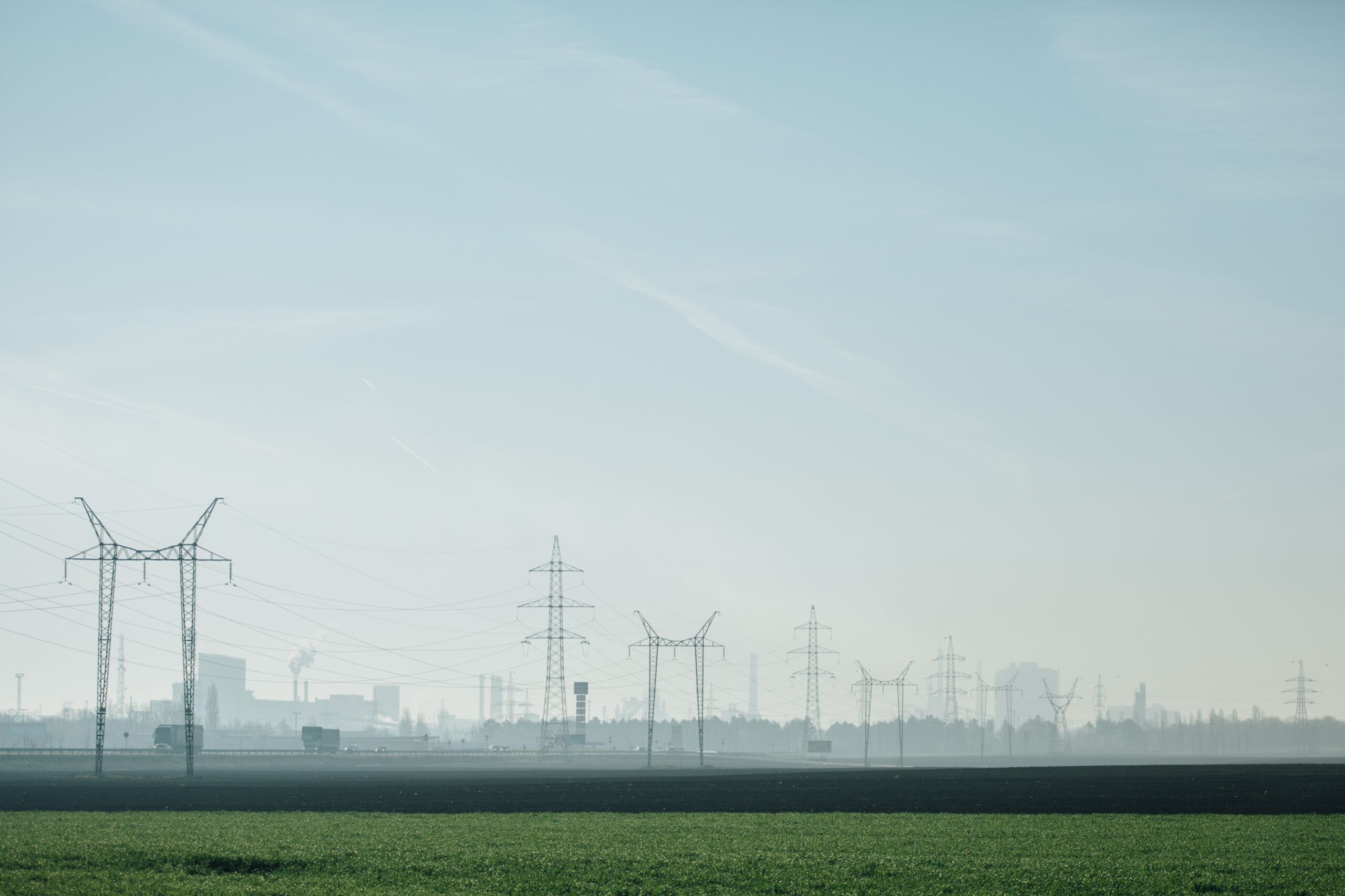
Grids & Infrastructure

Expansion becomes an industrial implementation task.

New generation, storage, heat pumps, charging infrastructure, and increasing electricity demand raise the requirements for transmission and distribution grids. Project pipelines and interdependencies grow accordingly.

The question behind it: How much expansion can actually be realized with existing approval, supplier, and implementation capacities?
Capital requirements and prioritization pressure are rising in parallel.
Investments & Regulation

Capital requirements and prioritization pressure are rising in parallel.

Grids, generation, transformation, and existing assets compete for investment funds. Some measures are regulatory or technically mandatory, while others follow growth or transformation goals.

The question behind it: Which investments must be implemented when – and which projects can be postponed under changed conditions?
Critical infrastructure is being rebuilt during ongoing operations.
Operations & Transformation

Critical infrastructure is being rebuilt during ongoing operations.

Maintenance, supply security, and existing facilities limit construction times, shutdowns, and resource deployment. Many projects access the same technical time windows and operational units.

The question behind it: Where do expansion projects conflict with the demands of ongoing operations?
Planning Reality in Energy & Utilities

What integrated planning in energy & utilities must master.

Investment portfolios, approvals, CAPEX, bottleneck resources, and ongoing operations intertwine over long infrastructure cycles. Five areas of tension particularly shape planning.

In an energy portfolio, regulatory requirements, replacement investments, grid connections, and maintenance stand alongside growth and transformation projects. These projects fundamentally differ in urgency, risk contribution, and economic logic.

New regulations or a changed grid status can shift the sequence at short notice. At the same time, budget and implementation capacity remain limited. A mere ranking by business case falls short in this constellation.

Approvals, land rights, grid connections, administrative procedures, and external expert opinions determine significant parts of the timeline for many infrastructure projects. Their progress can only be accelerated to a limited extent by additional internal resources.

Technical work packages may be prepared while an external decision point blocks the next step. Delays then impact procurement, construction, commissioning, and already reserved capacities.

Large infrastructure programs are planned over years. Tenders, material prices, financing costs, delivery times, and scope can change significantly during this period.

The transition from strategic investment planning to project execution is particularly sensitive. Early cost estimates, approved budgets, forecasts, and actual cash outflows must remain traceable across multiple planning stages.

Engineering, grid planning, approval management, construction supervision, and specialized external partners are needed by many projects in parallel. It is not the total number of available employees that limits the portfolio, but individual qualifications at specific times.

Framework agreement partners, construction capacities, or critical components also act like resources: if they are exhausted, additional projects cannot easily be parallelized despite available budgets.

Conversions, expansions, and maintenance require shutdowns, access, and technical time windows on facilities that are also needed for ongoing operations. Several projects may therefore be schedulable individually but not together.

This conflict becomes particularly visible during planned downtimes, switchovers, and commissioning. There, project planning and operational planning directly intertwine.

Our Approach

We reduce complexity through integrated planning solutions.

We combine an understanding of investment, infrastructure, and transformation programs with proven control models and comprehensive technological expertise. This allows portfolio decisions, project progress, capacities, and investment planning to be mapped within a common control logic.

As standard as possible. As individual as necessary.

For implementation, we rely on established PPM platforms – tailored to your individual challenge.

References

Years of experience in Energy & Utilities.

Björn Tropf
Your Contact for Energy & Utilities

Björn Tropf

Director of Solutions

„New technologies alone do not accelerate the energy transition. What matters is which projects can be implemented when with the available investments and capacities, while existing systems must continue to operate. This is precisely what we align our enterprise planning systems to.“