
Find knowledge. Leverage experience. Stop starting from scratch every time.
Knowledge is created in projects every day: decisions, experiences, templates, risks, and solutions. We create the structures, responsibilities, and access points to ensure this knowledge is rediscovered, understood, and utilized at the right moment.
Knowledge management in a project environment is more than just a well-organized filing system. It is about structuring information so that people can use it at the right moment.
Particularly in project-oriented organizations, knowledge is often re-developed over and over again. Teams search for old presentations, copy templates from previous projects, or ask the same people for information.
That is why we connect content, responsibility, and usage. A smaller amount of content that is reliable and up-to-date is often more helpful than large collections where no one knows what is currently valid.
Three Symptoms. One Root Cause.
Scattered information, unclear validity, and lost project experience often occur when knowledge is merely filed away rather than organized as part of the work process.
Information exists but is difficult to find
Decisions, templates, lessons learned, and project documents are scattered across different folders, chats, emails, or systems. Searching takes time and does not always provide the latest version.
- Organize knowledge areas and access points intuitively
- Clearly mark valid content
- Develop search and navigation based on real-world usage scenarios
Projects learn, but the organization does not
Experiences remain in people's heads or on final presentation slides. New teams later start from scratch when faced with similar questions.
- Align lessons learned with concrete reuse
- Provide standards and examples close to the project start
- Organize the feedback loop from projects as a mandatory process
Technology is expected to compensate for a lack of order
New search tools or AI support are expected to help, even though content is outdated, inconsistent, or lacks proper access permissions.
- Clarify quality and responsibilities for content
- Accurately map permissions and confidentiality
- Implement AI only on a reliable knowledge base
The Same Knowledge. Four Different Usage Scenarios.
Depending on the role, the focus is on quick retrieval, mandatory standards, sharing experience, or a scalable knowledge architecture.
Finding the right information at the right moment.
Project managers need templates, decisions, examples, and experiences exactly when they have to solve a specific task.
- Quickly find valid standards
- Leverage experiences from similar projects
- Waste less time on searching and follow-up questions
Make compliance visible and maintainable.
PMOs and methodology leads must clarify which standards apply, who maintains them, and how experiences flow back into the organization.
- Manage validity and versions
- Maintain templates and methodological knowledge
- Make lessons learned applicable for future use
Pass on experience without making documentation an end in itself.
Subject matter experts should be able to contribute knowledge where it truly helps others—with manageable maintenance effort.
- Capture knowledge directly from the workflow
- Designate content owners
- Create reusable examples
Make knowledge reliably accessible across systems.
At the organizational level, the focus is on architecture, permissions, quality, and how search and AI access reliable content.
- Organize knowledge architecture across systems
- Secure access and confidentiality
- Scale search and AI in a controlled manner
Expansion based on maturity level.
The path to better knowledge management usually begins with cleaning up what is already there.
Organize Knowledge
Review existing assets, remove duplicates, and make valid content recognizable.
- Structured knowledge areas
- Valid templates
- Initial responsibilities
How We Support Our Clients





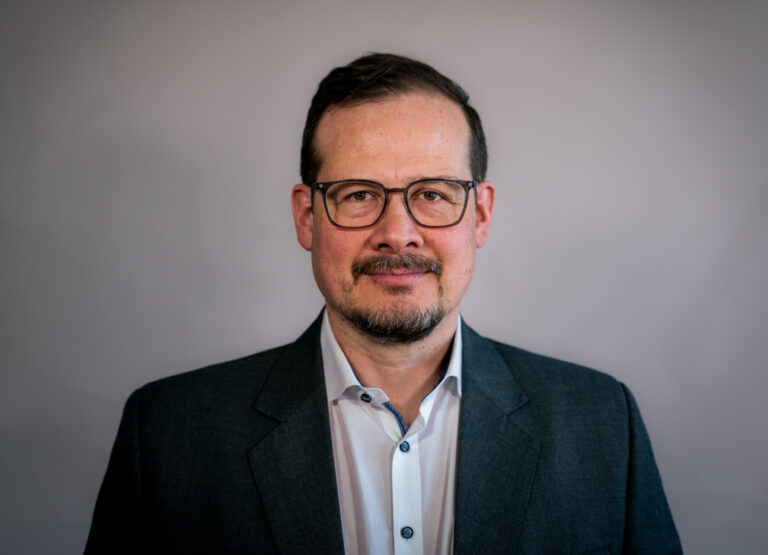
Alexander Zorn
COO
„Knowledge management becomes effective when people find reliable information at the right moment—and experience is not lost after every project.“