
Success Story
Siegfried AG Equips Project Management for Further Growth
Le Bihan supports the implementation of new processes, from status quo analysis and project management platform evaluation to rollout.
Learn more →
AI is currently changing how projects are planned and managed. We make this usable for you — and remain what we have been for four decades: the partner who not only recommends solutions but builds them, implements them, and stands by them to ensure they work.





















As a solution provider, we connect people, consulting, and technological implementation. Our teams accompany projects from the initial idea through to rollout and beyond. In doing so, we bring experience from four decades of project and portfolio management.
Consultants, process experts, and platform specialists work together on your solution right from the start.
Short communication channels, dedicated contact persons, and personal responsibility – even beyond individual project phases.
We do not just accompany the concept and implementation, but also remain at your side during rollout, operation, and further development.
For over four decades, we have been developing solutions for our customers in project and portfolio management – across various industries and technological environments.
We start with strategy and target vision, advise on processes and organization, develop the appropriate architecture, and implement the software solution. Afterwards, we accompany operation and further development and enable your teams to use the solution securely and develop it further themselves.
Our solutions work across all industries. In these five industries, planning projects are particularly demanding: many parallel projects, long cycles, hard dependencies. This is exactly what we build special solutions for based on established platforms, close to standard where possible and individual where necessary.

Integrated programme management across schedules, costs, risks and capacity, with auditable governance and synchronised supply chains.



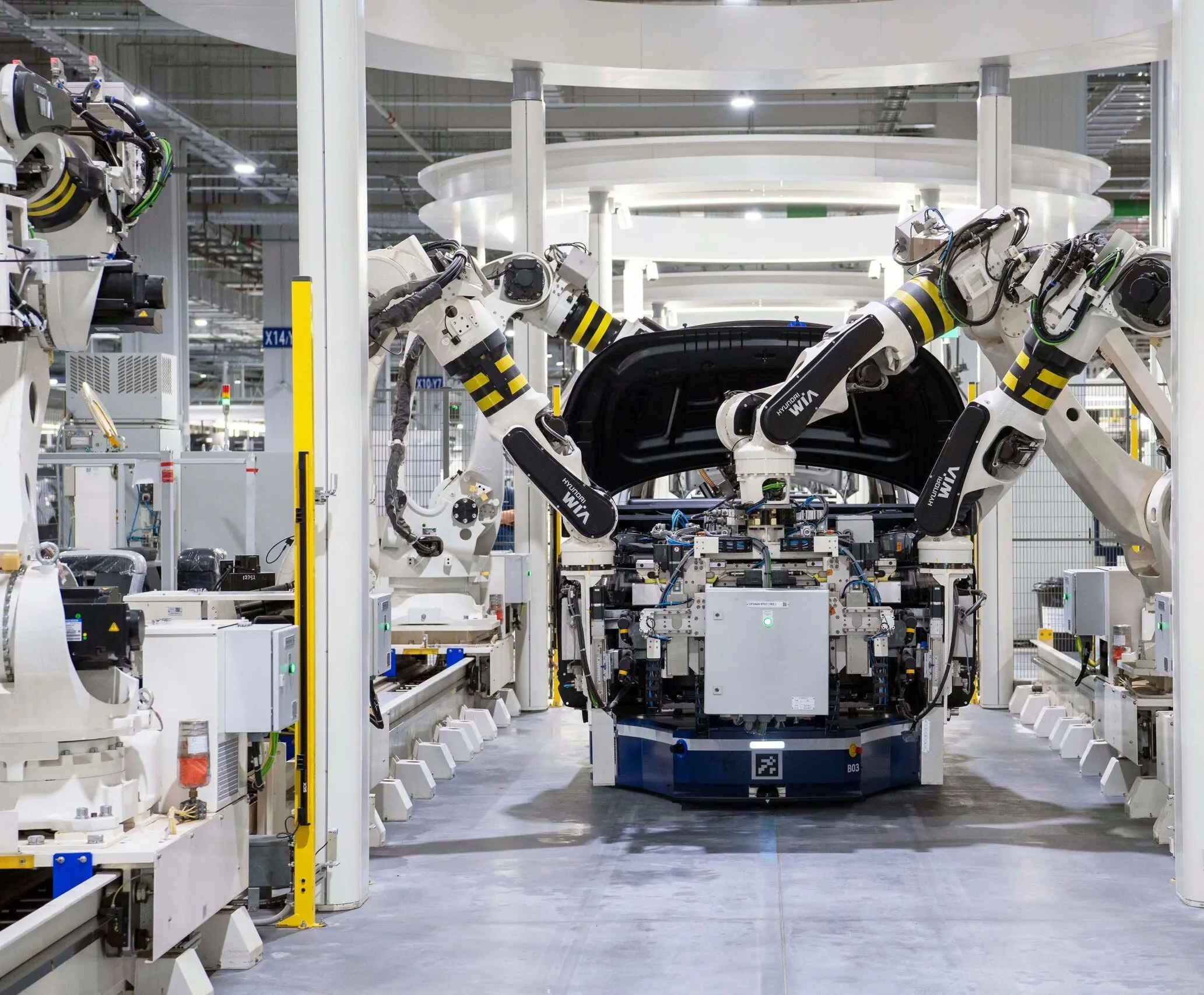
End-to-end multi-project and portfolio management with stage-gate governance, resource planning and real-time transparency — from concept to start of production.



Portfolio and resource management for capital-intensive infrastructure programmes: prioritisation, capacity planning and progress transparency through to go-live.



Integrated engineering project management: from bid costing and scheduling to change and maturity management and cost control.








Strategic project portfolio management with stage-gate models, what-if scenarios and resource governance across the entire pipeline.




No problem. Many questions regarding projects, portfolios, resources, and collaboration also arise outside of our focus industries. Talk to us about your initial situation.
For implementation, we rely on established platforms for project and portfolio management, collaboration, automation, and knowledge management. We decide which technology best fits your challenge based on our expertise and together with you.
 Enterprise PPMIntegrated management of complex portfolios, resources, finances and schedules at enterprise level.
 AI-powered PPMFür komplexe Projektlandschaften, adaptive PPM-Lösungen und KI-gestützte Steuerung auf einer gemeinsamen Plattform.
 Portfolio & CapacityFor focused prioritisation, realistic resource planning and robust scenarios.
 Work AutomationFür transparente Zusammenarbeit, automatisierte Workflows und die Verbindung operativer Arbeit mit Projekten, Portfolios und Zielen.
 Enterprise AI & KnowledgeFor knowledge access, knowledge bots, digital knowledge twins and governed AI workflows.
 Customer projects, technical articles, and publications show how we specifically approach topics and implement solutions in practice.
Le Bihan supports the implementation of new processes, from status quo analysis and project management platform evaluation to rollout.
Learn more →
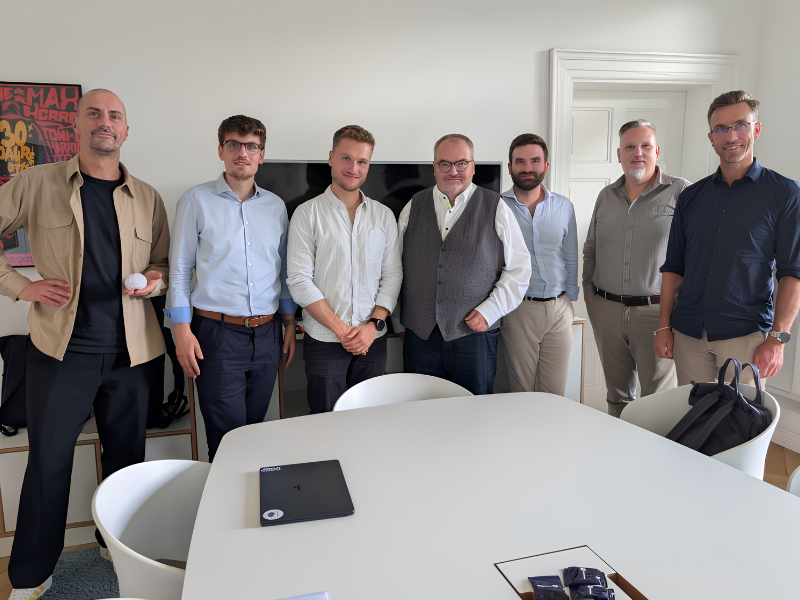
We are delighted to welcome Blockbrain as a new partner of Le Bihan. With this partnership, we are specifically expanding our service portfolio in…
Learn more →Our PPM Assessment gives you an initial classification of your current maturity level in just a few minutes. The evaluation considers four central dimensions and shows where your organization is well-positioned today and where a closer look is worthwhile.
Do you have a specific project in mind, are you looking for the right software, or would you like to further develop an existing solution? Let's talk about how we can support you in your endeavor.
Your inquiry has been sent. We will get back to you personally shortly.